
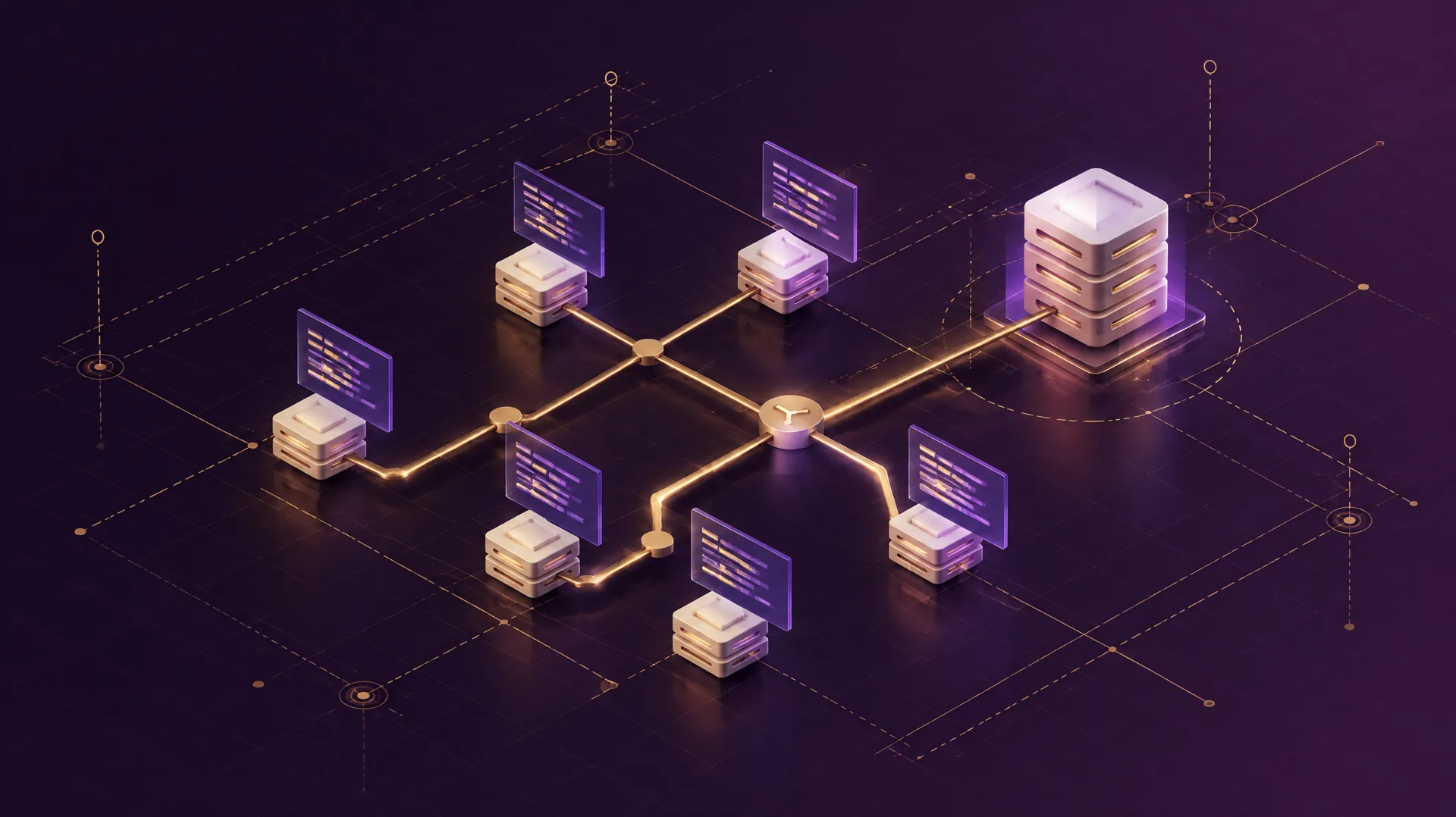
The work behind the code may be valuable, too
Engineering teams document bugs, discuss requirements, review changes and record how problems were resolved. Issue tickets, internal documentation and linked code changes may offer valuable context for AI systems learning software engineering tasks.

What is AI data licensing?
AI developers study software tasks to build and evaluate systems that can understand requirements, investigate issues, modify code and assess fixes.
Data licensing lets an organization grant defined uses of eligible engineering records through a commercial agreement, without requiring it to stop using the underlying systems.
How the process works
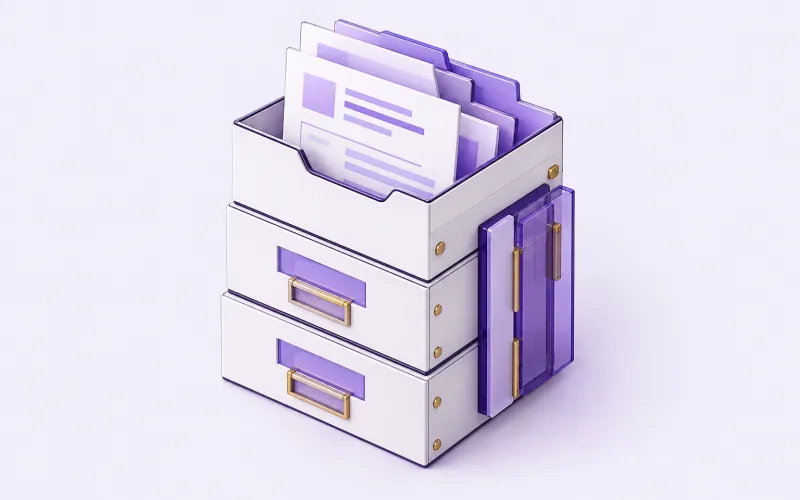 Existing records
 Defined licensing agreement
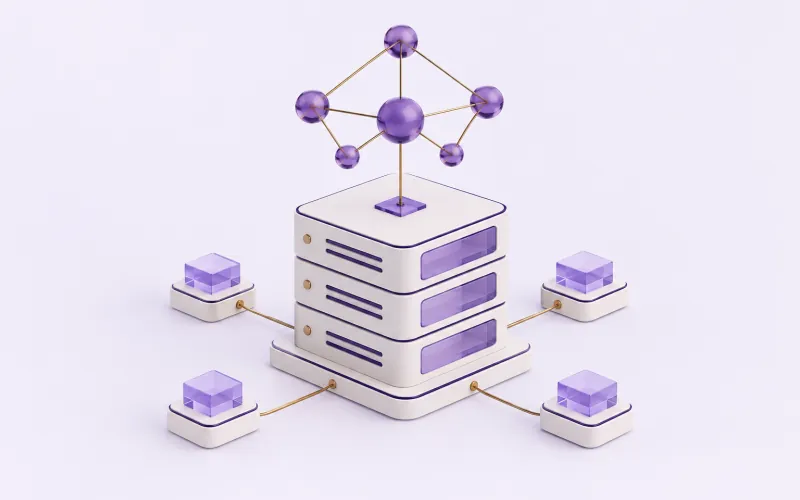 AI development
The records behind the work
Here are examples of the types of collections we are interested in exploring.
-

Issue Tracker Records
Bug reports, feature requests, incident tickets, acceptance criteria, status and resolution notes.
Jira / Linear / GitHub Issues
-

Engineering Documentation
Technical specifications, architecture notes, runbooks, decisions and internal knowledge-base pages.
Confluence / Wiki / Markdown
-

Code Changes & Reviews
Pull requests, commits, patches, review threads, approvals and merged changes.
PR / Commit / Diff
-

Linked Resolution Histories
Connections among the ticket, relevant repository version, implementation, review and outcome.
Ticket ↔ PR ↔ Test

Why AI developers need the full engineering trail
Code alone does not explain which problem a team was solving. A ticket and its linked documentation, implementation and review can provide an example of a real request carried through to a verified change.
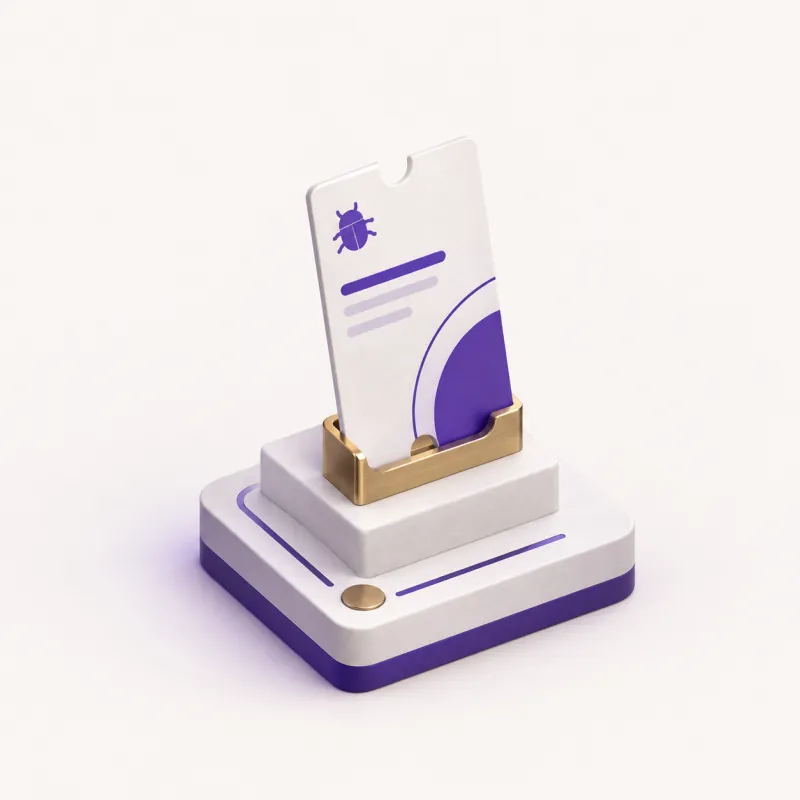 Bug report ticket
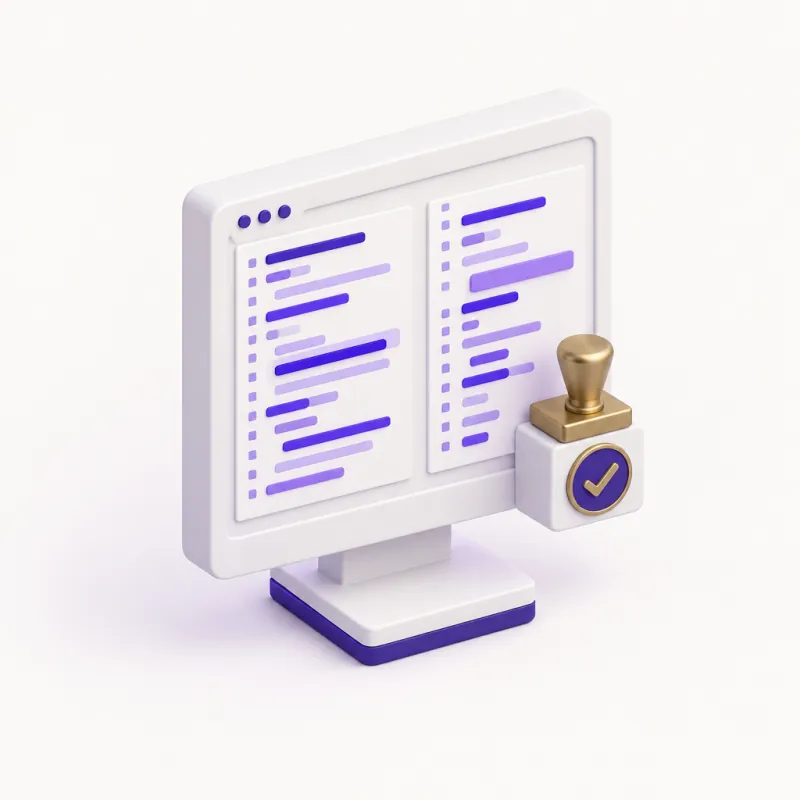 Code diff and review
 Passing test result

Understand real developer requests

Connect issues to code patches

Interpret technical decisions

Evaluate proposed fixes against outcomes
A closed ticket tells a larger story
A good engineering record can connect the problem statement, design discussion, implemented patch and final verification. These relationships may be more useful than a disconnected issue export or repository snapshot.
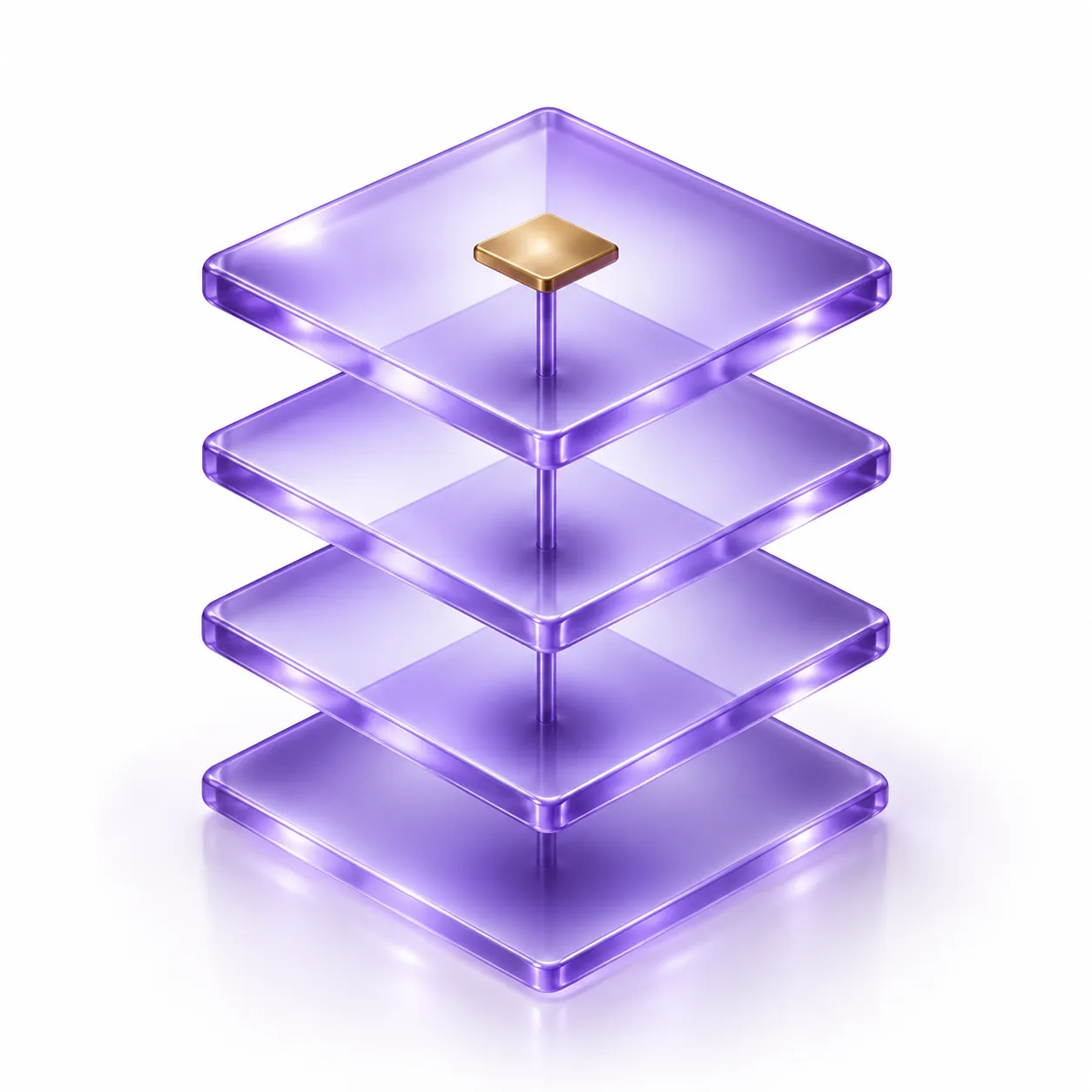
- 1Bug or request
- 2Design / technical context
- 3Reviewed code change
- 4Verified resolution
Start with a description, not your files
 You do not need to upload confidential materials to begin a conversation.
-

1 Describe
Tell us what collections, formats and systems your organization has, and approximately how much historical material exists.

-
2 Assess
Argo Reach reviews potential relevance, collection structure, scale and buyer fit.
-

3 Explore
If there is a potential match, discuss permitted use, access, preparation and commercial terms.
A bridge between specialized data and AI development
Your team ships software. Argo Reach helps assess whether eligible engineering records and their linked history may be relevant to AI model-development requirements.

 Software-task qualification
- Linked ticket-to-code context
 Structured archive review
 Commercial coordination
Have years of engineering tickets and reviews?
Describe your issue trackers, documentation systems and code-review history. No repositories or confidential records need to be shared at this stage.
Any licensing requires appropriate rights and agreed permitted uses.